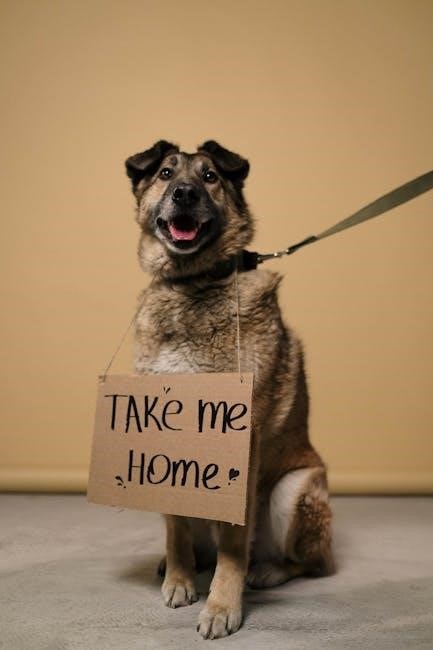
Adopting a guide dog offers a unique opportunity for companionship and a second chance for a deserving animal. These dogs‚ often exceptionally trained‚ bring immense joy and unconditional love into a home‚ enriching the lives of their adopters.
1.1 The Rewarding Experience of Adopting a Guide Dog
Adopting a retired guide dog is profoundly rewarding‚ offering a unique bond built on trust and companionship. These dogs‚ having dedicated their working lives to assisting individuals with visual impairments‚ possess exceptional training and a remarkably gentle temperament. Providing a loving home during their retirement is a deeply fulfilling experience.
Beyond the personal joy‚ you’re offering a deserving animal a comfortable and loving environment after years of dedicated service. Guide dogs‚ service dogs‚ military dogs‚ and police dogs are often exceptionally well-bred and trained‚ making them wonderful pets. They’ve already learned essential obedience and social skills‚ simplifying the transition into a family home. The unconditional love and quiet companionship they offer are truly special‚ creating a heartwarming dynamic for everyone involved.
1.2 Understanding Guide Dog Programs and Their Mission
Guide dog programs are dedicated to enhancing the independence and quality of life for individuals with visual impairments. These organizations meticulously breed‚ raise‚ and train dogs specifically for guide work‚ ensuring they possess the temperament‚ intelligence‚ and physical capabilities required for the role. Their mission extends beyond simply providing a working dog; it encompasses comprehensive training for both the dog and the recipient‚ fostering a strong partnership.
These programs often rely on a network of volunteer puppy raisers who provide crucial early socialization and basic obedience training. Upon completion of formal guide dog training‚ the dogs are carefully matched with individuals who demonstrate the ability to provide a loving and suitable home. The ultimate goal is to empower individuals with blindness to navigate the world with confidence and dignity‚ promoting greater independence and inclusion.
Eligibility Requirements for Adopting a Retired Guide Dog
Adoption typically requires applicants to be at least 18 years old‚ with a stable housing situation and lifestyle suitable for a dog’s needs and well-being.
2.1 Minimum Age Requirements (Typically 18+)
A foundational requirement for adopting a retired guide dog is meeting a minimum age threshold‚ almost universally set at 18 years old. This stipulation isn’t arbitrary; it reflects the responsibility inherent in dog ownership and the long-term commitment required to provide a suitable home. Organizations prioritize ensuring adopters possess the maturity and life stability to consistently meet a dog’s physical‚ emotional‚ and financial needs for the entirety of its life.
Being 18 demonstrates a level of legal independence and the capacity to enter into binding agreements‚ such as adoption contracts. Furthermore‚ younger individuals may experience more frequent life changes – such as schooling‚ moving‚ or career shifts – which could disrupt a dog’s settled environment. While exceptions might be considered in specific circumstances‚ the 18+ rule serves as a crucial safeguard for the well-being of these deserving animals.
2.2 Housing and Lifestyle Considerations
Successful guide dog adoption hinges on a careful assessment of your housing situation and daily lifestyle. A secure‚ fenced yard is often preferred‚ allowing the dog safe outdoor access‚ though not always mandatory depending on the dog’s individual needs and your commitment to regular leashed walks. Apartment living is possible‚ provided you can guarantee sufficient exercise and potty breaks.
Your activity level is also crucial. While retired guide dogs aren’t expected to work‚ they still require regular‚ moderate exercise to maintain physical and mental health. A lifestyle that includes daily walks‚ playtime‚ and mental stimulation is essential. Consider your work schedule and travel habits; frequent‚ prolonged absences may not be ideal. A stable home environment and a consistent routine are highly valued‚ offering the dog a sense of security and well-being after their working life.
The Guide Dog’s Background and Training
Guide dogs undergo extensive‚ professional training‚ often including obedience‚ navigation skills‚ and socialization. They are well-bred and meticulously prepared for their important roles.
3.1 Understanding the Extensive Training Process
The training of a guide dog is a remarkably comprehensive and lengthy undertaking‚ typically spanning two years or more. It begins with careful selection of puppies exhibiting the desired temperament and aptitude. Early socialization exposes them to diverse environments – urban streets‚ public transport‚ shopping centers – to build confidence and adaptability.
Formal training commences with basic obedience‚ progressing to complex navigation skills‚ including obstacle avoidance and safe street crossings. Handlers teach the dogs to respond to specific commands‚ interpreting environmental cues‚ and making independent decisions to ensure their partner’s safety. This process isn’t simply about teaching tricks; it’s about fostering a partnership built on trust and clear communication. The dogs learn to disobey a command if it puts their handler in danger‚ demonstrating a crucial level of intelligent disobedience. Throughout training‚ positive reinforcement methods are employed‚ creating a strong bond and encouraging desired behaviors.
3.2 Common Breeds Used for Guide Work
While various breeds can be trained as guide dogs‚ certain characteristics make some more prevalent than others; Labrador Retrievers consistently rank as the most popular choice‚ celebrated for their intelligence‚ trainability‚ gentle temperament‚ and eagerness to please. Their sturdy build and natural retrieving instincts also contribute to their suitability.
Golden Retrievers are another frequently utilized breed‚ sharing many of the Labrador’s desirable traits – intelligence‚ a friendly disposition‚ and a strong work ethic. German Shepherds‚ historically prominent in guide work‚ continue to be employed‚ valued for their courage‚ loyalty‚ and protective instincts. Increasingly‚ Standard Poodles are gaining recognition due to their hypoallergenic coats and exceptional intelligence. The selection isn’t solely based on breed; individual temperament and aptitude are paramount‚ ensuring each dog possesses the qualities necessary to become a reliable and devoted guide.
Health and Temperament of Retired Guide Dogs
Retired guide dogs generally possess excellent health and stable temperaments due to rigorous training and care throughout their working lives‚ offering peace of mind.
4.1 Typical Health Considerations
Retired guide dogs‚ while generally healthy‚ may exhibit some age-related conditions or those stemming from their previous working life. Hip and elbow dysplasia are potential concerns‚ common in larger breeds frequently used for guide work‚ like German Shepherds and Labrador Retrievers. Regular veterinary check-ups are crucial for early detection and management of such issues.
Eye conditions‚ such as progressive retinal atrophy (PRA)‚ can occur‚ though responsible breeding programs actively work to minimize these risks. Arthritis is also common in older dogs‚ benefiting from joint supplements and controlled exercise. It’s important to remember these dogs are not ‘broken’ or ‘damaged’; they simply require attentive care as they age.
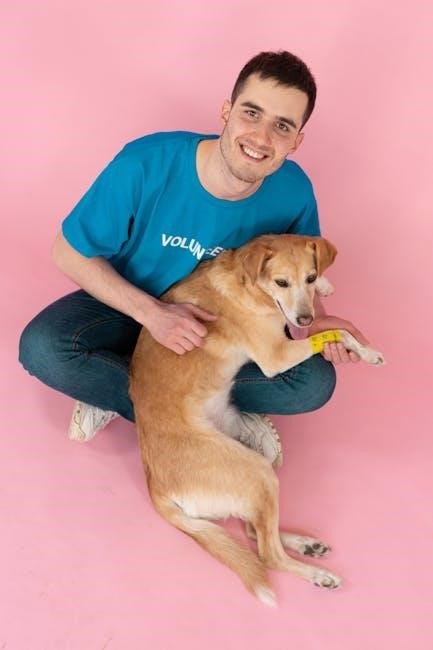
Potential adopters should discuss the dog’s complete medical history with the guide dog organization to understand any pre-existing conditions and ongoing care requirements. Transparency and open communication are key to ensuring a happy and healthy life for the adopted companion.
4.2 Assessing Temperament and Suitability
Retired guide dogs typically possess exceptional temperaments – calm‚ intelligent‚ and eager to please. However‚ assessing individual suitability is vital. While rigorously trained‚ they’ve spent years focused on a specific task and may need adjustment to a pet-only lifestyle. A period of decompression is often necessary‚ allowing them to relax and adapt to a less structured environment.
Consider your lifestyle. These dogs are accustomed to working and require mental stimulation. While not needing to ‘guide‚’ they benefit from training‚ puzzle toys‚ and regular walks. Assess your ability to provide consistent routines and positive reinforcement.
Interaction with family members‚ including children and other pets‚ should be carefully supervised initially. Guide dog organizations often provide temperament evaluations and guidance to ensure a harmonious match. Open communication with the organization is crucial to understanding the dog’s individual personality and needs.
The Adoption Process: A Step-by-Step Guide
Adoption begins with an application and screening process‚ followed by a thorough home visit and interview to ensure a suitable and loving environment.
5.1 Initial Application and Screening
The first step towards welcoming a retired guide dog into your life is completing a detailed application. This form gathers essential information about your lifestyle‚ experience with dogs‚ and home environment. Expect questions regarding your daily routine‚ work schedule‚ and the presence of children or other pets.
Organizations carefully review these applications to assess your suitability. This initial screening process aims to determine if your lifestyle aligns with the needs of a retired working dog; Be prepared to provide references who can attest to your responsible nature and ability to provide a stable home. Honesty and thoroughness are crucial during this stage‚ as it sets the foundation for a successful adoption.
Successful applicants will then proceed to the next phase – a home visit and interview.
5.2 Home Visit and Interview
Following the application screening‚ a representative from the guide dog organization will schedule a home visit. This isn’t an inspection‚ but rather an opportunity to discuss your application in detail and assess your home environment. They’ll want to understand the layout of your house‚ the security of your yard‚ and potential hazards for a dog.
The interview portion is equally important. Expect questions about your expectations for dog ownership‚ your understanding of a retired guide dog’s needs‚ and your ability to provide ongoing care. Be prepared to discuss your experience with training‚ veterinary care‚ and your commitment to providing a loving and stable home for the remainder of the dog’s life.
This visit allows the organization to ensure a good match between you and a suitable dog.
Financial Aspects of Guide Dog Adoption
Adoption typically involves fees to cover veterinary expenses and administrative costs‚ alongside ongoing expenses for quality food‚ routine vet care‚ and potential unexpected medical needs.
6.1 Adoption Fees and Associated Costs
Adopting a retired guide dog generally involves lower fees compared to acquiring a puppy‚ reflecting the dog’s prior training and the organization’s commitment to finding suitable homes. These fees typically range from a few hundred to around a thousand dollars‚ but can vary significantly between different guide dog programs.
These initial costs usually cover essential veterinary examinations‚ vaccinations‚ microchipping‚ and any necessary treatments before placement. Beyond the adoption fee‚ prospective adopters should budget for ongoing expenses. These include high-quality dog food‚ regular veterinary check-ups‚ parasite prevention‚ grooming‚ and potential emergency medical care.
Furthermore‚ consider the cost of essential supplies like a comfortable bed‚ leash‚ collar‚ food and water bowls‚ and toys. While the initial investment might be modest‚ responsible dog ownership requires a long-term financial commitment to ensure the dog’s health and well-being throughout its retirement years.
6.2 Ongoing Expenses (Food‚ Vet Care‚ etc.)
Providing for a retired guide dog necessitates a consistent financial plan for ongoing care. High-quality dog food is paramount‚ tailored to the dog’s age‚ breed‚ and activity level‚ potentially costing several hundred dollars annually. Regular veterinary check-ups‚ including annual vaccinations and parasite prevention‚ are crucial for maintaining health and can easily amount to $200-$500 per year.
Unexpected veterinary expenses‚ such as illness or injury‚ can arise‚ requiring a dedicated emergency fund. Pet insurance is a worthwhile consideration to mitigate these costs. Grooming‚ whether professional or self-administered‚ adds to the expense.
Additionally‚ factor in the cost of toys‚ bedding‚ and replacement equipment like leashes and collars. While retired guide dogs are generally healthy‚ proactive healthcare and a comfortable lifestyle are essential for ensuring a happy and fulfilling retirement‚ demanding responsible financial planning from their adopters.
Preparing Your Home for a Retired Guide Dog
Creating a safe haven involves removing hazards and establishing a comfortable space for the dog‚ ensuring a smooth transition into their well-deserved retirement.
7.1 Creating a Safe and Comfortable Environment
Prior to welcoming a retired guide dog‚ a thorough assessment of your home is crucial. Remove any potential hazards such as loose rugs‚ exposed wires‚ or toxic plants. These dogs‚ while highly trained‚ may need time to adjust to a less structured environment. Designate a quiet‚ comfortable space specifically for the dog – a cozy bed‚ perhaps in a low-traffic area – where they can retreat and relax without disturbance;
Consider the dog’s previous life and provide familiar elements if possible. Ensure easy access to food and water bowls‚ and a safe outdoor space for bathroom breaks and gentle exercise. Gradually introduce the dog to all areas of the house‚ allowing them to explore at their own pace; Remember‚ patience and understanding are key to helping your new companion settle in and feel secure in their forever home. A calm and predictable routine will also be beneficial.
7.2 Necessary Supplies and Equipment
Preparing for your new companion involves gathering essential supplies. A comfortable‚ high-quality dog bed is paramount‚ providing a dedicated rest space. Invest in durable food and water bowls‚ ideally stainless steel for hygiene. A leash and collar (or harness) are essential‚ even though the dog is accustomed to working equipment. Stock up on a variety of dog toys – chew toys‚ puzzle toys‚ and soft toys – to provide mental stimulation and prevent boredom.
Don’t forget grooming supplies like a brush‚ nail clippers‚ and dog shampoo; A first-aid kit specifically for pets is also highly recommended. Consider purchasing a calming aid‚ such as a pheromone diffuser‚ to help the dog adjust to their new surroundings. Finally‚ ensure you have plenty of high-quality dog food appropriate for their age and activity level‚ and be prepared for ongoing veterinary care expenses.