
rp 5217 instructions Overview
rp 5217 instructions guide the filing of a real property transfer report․ It outlines legal requirements, how to download the PDF, printing on 8‑by‑14 legal paper, completing property details, and submitting with fees․ Follow each step for accurate, compliant records․ Ensure all fields are filled to avoid delays

Legal Requirements for RP-5217 Submission

To comply with state law, the RP‑5217 must be completed in full and signed by the transferor or their authorized agent․ The form is required for every real‑property transfer that is not exempt under the Real Property Transfer Tax Act, including sales, gifts, and certain involuntary transfers․ Each county’s recorder’s office mandates that the RP‑5217 be filed within 30 days of the deed’s recording date, unless a county provides a longer period․ The submission must accompany the original deed or other transfer instrument, and the filer must provide the correct county code, book, page, and date of recording․ Failure to file on time can result in penalties or denial of the transfer’s official record․ The form must be printed on 8‑by‑14 legal‑size paper, with all fields legible and without any electronic alterations; Handwritten corrections are permissible only if the original entry is crossed out and the new information printed above it; no electronic edits are allowed․ The RP‑5217 must also include the property’s legal description, the parties’ names and addresses, the consideration amount, and the transfer type․ If the transfer is a gift, the form must state “gift” and provide the donor’s and recipient’s details․ For transfers involving a mortgage, the mortgage number and lender must be listed․ The form must be signed by the transferor or their attorney and witnessed if required by county rules․ The filer must pay the applicable filing fee, which varies by county and is based on the property’s assessed value or the transfer amount․ In some counties, a fee waiver may be requested if the transfer is a gift or a transfer between family members․ All required signatures and fees must be submitted in person or by mail to the county recorder’s office․ The county clerk will review the form for completeness and accuracy; incomplete or incorrect forms will be returned for correction․ Once accepted, the RP‑5217 becomes part of the public record and is used for title searches, tax assessments, and future transfer filings․ It is essential to keep a copy of the filed RP‑5217 for your records, as it serves as proof of the transfer and may be required for future legal or financial matters․ Failure to comply with these legal requirements can delay the transfer, create title defects, or result in additional costs․ Therefore, careful attention to every detail on the RP‑5217 is critical for a smooth and legally sound property transfer․ Additionally, certain counties require a notarized statement of the transferor’s identity or an affidavit confirming the absence of liens․ In cases where the property is subject to a condominium association, the RP‑5217 must include the association’s name and the unit number․ If the transfer involves a leasehold interest, the lease terms must be disclosed․ The form also requires the transferor to certify that they are not a party to any pending litigation affecting the property․ Finally, the filer should verify that the county’s filing fee schedule has been consulted, as some counties impose a flat fee while others charge a percentage of the transfer value․ Adhering to these legal stipulations ensures that the RP‑5217 is accepted without delay and that the property’s title remains clear for future transactions․ —!Now․
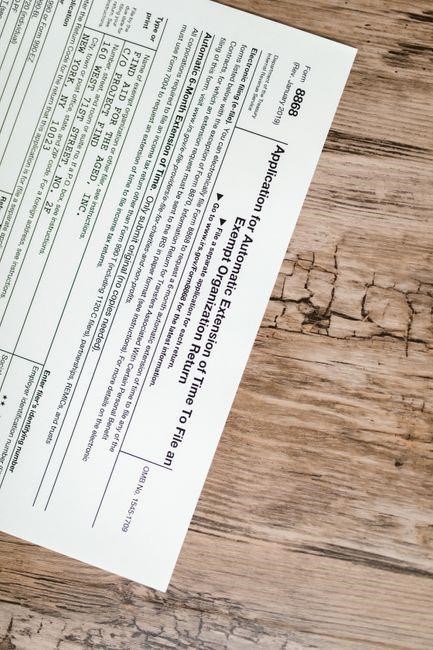
Downloading the RP-5217 PDF
To download the RP‑5217 form, go to the New York State Department of State website or the county recorder’s portal․ The official file is a fillable PDF titled “RP‑5217‑PDF, Real Property Transfer Report․” Click the “Download RP‑5217‑PDF” button; the file will save to your Downloads folder․ Open it with Adobe Acrobat Reader or another PDF viewer․ If it does not open in the browser, right‑click the file, choose “Open with,” and select a PDF reader․ The PDF header reads “RP‑5217‑PDF Real Property Transfer Report (8/10)․” Use the latest version—currently dated 2026‑07‑20—to ensure compliance with updated regulations․ Review the top‑of‑page instructions: the form must be printed on 8‑by‑14‑inch legal paper, and any handwritten edits must be made carefully․ The PDF is searchable; use the “Find” function to locate fields like “Property Location,” “Transferor,” and “Consideration․” Before printing, confirm that the PDF allows printing; some versions may have restrictions․ Print on a high‑resolution printer for clarity․ After printing, fill in the required fields by hand, sign where indicated, and submit the completed form to the county recorder’s office with the deed and applicable fees․ For electronic filing, some counties accept a scanned PDF, but the form must still be printed and signed before scanning․ Keep a copy of the downloaded PDF for future reference․ The download page also links to county‑specific instructions, which may include notarization or supplemental documents․ Following these steps ensures the RP‑5217‑PDF is correctly downloaded and ready for filing․ The form is also available in PDF‑X format for advanced users!
Printing Specifications for RP-5217
rp 5217 instructions require the form to be printed on 8‑by‑14‑inch legal paper․ Use a high‑resolution printer and set the page size to 8․5 × 14 inches․ The PDF header indicates the required orientation; set the printer to portrait mode․ Ensure margins are 0․75 inches on all sides to preserve layout․ The form contains sections: Property Information, Transferor, Transferee, and Consideration․ Each field must be legible; use a dark blue or black ballpoint pen for handwritten entries․ Avoid ink that bleeds through paper․ If corrections are needed after printing, draw a single line through the incorrect entry and write the correct information above it; do not erase․ The footer contains a “Signature” line and a “Date” line; sign with a standard signature in blue ink․ Fill the “County” field in all caps․ After printing, double‑check that all pages are in order and none are missing․ The form is a single‑part PDF; do not add extra pages․ If printing multiple copies, label each copy with a unique identifier in the top left corner․ Before submitting, verify that the printer’s paper feed is set to legal size; otherwise the form may print incorrectly, causing delays in recording․ The county clerk’s office may reject a form not printed on legal paper or with illegible entries․ By following these specifications, you ensure the RP‑5217 is compliant and ready for filing․ If printing errors occur, consult the printer’s manual or contact county technical support․ After printing, perform a quick visual inspection for smudges or misaligned text․ A clean, professional printout demonstrates attention to detail and helps expedite recording․ This helps verify the transfer during audits compliance!!
Completing the Property Information Section
rp 5217 instructions emphasize that the Property Information section is the core of the report․ It requires the legal description of the property, the parcel number, the owner’s full legal name, and the property’s address․ The legal description must match the deed or the county’s land records; any discrepancy can delay recording․ The parcel number is typically found on the tax bill or the county GIS system․ When filling in the owner’s name, use the exact name as it appears on the deed, including middle initials and suffixes if applicable․ The address field must include street number, street name, city, state, and ZIP code․ If the property is part of a condominium or a planned community, include the unit or lot number․ The section also asks for the type of property (e․g․, residential, commercial, vacant)․ Provide the property’s current use and any zoning classification․ The transferor and transferee fields must be filled with the names of the parties exchanging the property․ If the transfer involves a trust, include the trustee’s name and the trust’s legal name․ The consideration field requires the amount paid for the property; if the transfer is a gift, indicate “gift” and the fair market value․ All monetary amounts should be written in both numerals and words to avoid ambiguity․ Finally, the section requires the date of the deed recording and the book and page number where the deed is recorded․ This information is essential for locating the deed in the county records․ Ensure all entries are legible, accurate, and complete before signing the form․
Recording the Deed and RP-5217
rp 5217 instructions clarify that after the deed is recorded, the RP-5217 must be filed with the county recorder’s office within the statutory period, usually 30 days․ The form should be submitted in the same manner as the deed, either in person, by mail, or via the county’s electronic filing system if available․ When mailing, attach a self‑addressed stamped envelope for the return receipt of the filing․ The RP-5217 must include the deed’s book and page number, the date of recording, and the official county code․ The recorder’s office will assign a unique file number to the RP-5217, which should be noted for future reference․ After filing, the recorder will stamp the form and return a copy to the filer․ If the filer is a title company or attorney, they may receive the stamped copy electronically․ The stamped RP-5217 becomes part of the public record and is used for title searches and property tax assessments․ It is essential to keep a copy of the stamped form for the property’s title file․ Failure to file the RP-5217 within the required timeframe can result in penalties or the need to submit a late filing fee․ Some counties allow a grace period, but it is best to file promptly to avoid any complications․ Always verify the specific county’s filing requirements, as procedures can vary between jurisdictions․ Check with the recorder for any updates today Ok??Ok!!
Required Supporting Documents
rp 5217 instructions specify that, besides the completed RP-5217 form, the filer typically needs to provide the original deed, a copy of the deed’s recording receipt, and any mortgage release documents if the property is subject to a lien․ In many counties, a notarized statement of the property’s legal description is also required, especially when the description differs from the deed․ For transfers involving multiple parcels, a separate RP-5217 for each parcel must be submitted, each accompanied by its own deed copy․ If the transfer involves a trust or a corporation, a copy of the trust agreement or corporate charter is recommended․ Some jurisdictions require a proof of payment for the recording fee, which can be a receipt or a check stub․ The filer should also include a cover sheet that lists the county code, the book and page number of the deed, and the date of recording․ In cases where the transfer is a sale, the closing statement or purchase agreement may be requested to confirm the transaction details․ For transfers subject to a tax lien, the lien release or a statement from the tax collector confirming the lien’s satisfaction must be attached․ All documents should be in English or accompanied by a certified translation․ The documents must be clear, legible, and not altered after printing․ If any document is electronic, it must be in PDF format and signed electronically if required by the county․ The filer should keep copies of all supporting documents for their records, as the recorder’s office may request them for verification during the title search process․ It is advisable to check the specific county’s filing guidelines for any additional documents that may be required for a particular type of transfer․ By ensuring all necessary supporting documents are included, the filer can avoid delays, rejections, or the need for supplemental filings, thereby streamlining the recording process and maintaining accurate public records for the property․
rp 5217 instructions specify that, besides the completed RP-5217 form, the filer typically needs to provide the original deed, a copy of the deed’s recording receipt, and any mortgage release documents if the property is subject to a lien․ In many counties, a notarized statement of the property’s legal description is also required, especially when the description differs from the deed․ For transfers involving multiple parcels, a separate RP-5217 for each parcel must be submitted, each accompanied by its own deed copy․ If the transfer is a sale, the closing statement or purchase agreement may be requested to confirm the transaction details․ For transfers involving a trust or a corporation, a copy of the trust agreement or corporate charter is recommended․ Some jurisdictions require a proof of payment for the recording fee, which can be a receipt or a check stub․ The filer should also include a cover sheet that lists the county code, the book and page number of the deed, and the date of recording․ In cases where the transfer is a sale, the closing statement or purchase agreement may be requested to confirm the transaction details․ For transfers subject to a tax lien, the lien release or a statement from the tax collector confirming the lien’s satisfaction must be attached․ All documents should be clear, legible, and not altered after printing․ If any document is electronic, it must be in PDF format and signed electronically if required by the county․ The filer should keep copies of all supporting documents for their records, as the recorder’s office may request them for verification during the title search process․ It is advisable to check the specific county’s filing guidelines for any additional documents that may be required for a particular type of transfer; By ensuring all necessary supporting documents are included, the filer can avoid delays, rejections, or the need for supplemental filings, thereby streamlining the recording process and maintaining accurate public records for the property․

Common Issues and Corrections

rp 5217 instructions identify common pitfalls that can delay or invalidate a transfer report․ An incomplete or incorrect property description, which must match the deed exactly—lot, block, subdivision, and county survey references—often causes issues․ A missing or mismatched book and page number for the deed also triggers a correction request․ Many filers forget to attach the original deed or a certified copy; the recorder’s office requires the deed to verify the transfer, and without it the RP‑5217 is incomplete․ Failure to pay the correct filing fee is a frequent cause of rejection; fees vary by county and parcel count, so the filer must check the current fee schedule and submit payment with the form․ Errors in the seller’s or buyer’s name, especially after a name change, can create a mismatch; the names on the RP‑5217 must exactly match those on the deed․ A common oversight is omitting mortgage release or lien satisfaction documents when the property is subject to a lien; proof of lien clearance is required before recording new ownership․ Many filers also ignore county formatting rules—font size, margin width, and the 8‑by‑14 legal paper size—leading to form returns․ To avoid these issues, the filer should carefully review the RP‑5217 instructions, double‑check every field, and ensure all supporting documents are attached and the fee is paid․ If a correction is needed, the filer can submit a corrected RP‑5217 with a cover sheet explaining the changes, or file a new RP‑5217 if the original is rejected․ Filer should keep a copy of the RP‑5217 for records, as the recorder’s office may request it during title search!!

County‑Specific Filing Procedures
rp 5217 instructions emphasize that while the form itself is uniform, each county may impose unique procedural nuances․ Most counties accept the RP‑5217 in person at the county clerk’s office, by mail, or via a secure online portal․ In counties that support electronic filing, the form must be uploaded as a PDF with a scanned deed attachment, and the filer must authenticate the submission with a digital signature or a government‑issued electronic ID․ The fee schedule varies: some counties charge a flat fee per parcel, while others calculate the fee based on the property’s assessed value or the number of pages in the deed․ Deadlines also differ; a few counties mandate that the RP‑5217 be filed within 30 days of the deed’s recording, whereas others allow up to 90 days․ Certain counties that have a dedicated real estate recording division may provide a pre‑filled template that includes county‑specific fields such as the county’s unique code, the recording office’s contact number, and a checkbox for “verified by county clerk․” Filers should consult the county’s official website or contact the clerk’s office to confirm the accepted formats, fee amounts, and any special instructions․ Failure to adhere to county‑specific rules can result in the RP‑5217 being returned, delayed, or rejected, thereby postponing the official recording of the transfer․ Therefore, it is essential to review the county’s guidelines before preparing the form, ensuring that all required attachments are present, the correct fee is paid, and the submission method aligns with the county’s current policies․ All good!!!․
Digital Filing Options for RP-5217

rp 5217 instructions provide a streamlined digital filing pathway that many counties now support․ The process begins by downloading the official PDF from the state’s online portal․ Once the file is saved, the filer must use a certified PDF editor to fill in all required fields, ensuring that the form remains a single‑page, non‑editable document․ After completion, the filer should attach a scanned copy of the deed or other supporting documents in PDF format․ The combined file is then uploaded to the county’s secure e‑filing portal․ Authentication is mandatory; most counties require a digital signature using a government‑issued electronic ID or a secure hash code that verifies the filer’s identity․ The e‑filing system will validate the document against a set of automated rules: mandatory fields, correct county code, and proper fee calculation․ If the file passes validation, the system will assign a transaction number and generate a confirmation receipt․ The filer must print or save this receipt for their records․ Some counties offer a “live” preview feature that allows the filer to see how the RP‑5217 will appear once recorded, helping to catch any formatting errors before submission․ After the RP‑5217 is accepted, the county clerk will record it alongside the deed, and the transaction will appear in the public registry within 48 hours․ It is essential to keep the confirmation receipt and any correspondence from the clerk’s office, as these documents serve as proof of filing and may be required for future reference or disputes․ By following the digital filing guidelines in the rp 5217 instructions, filers can reduce processing time, avoid paper handling errors, and ensure compliance with county regulations․ All good!!! Please verify․!!
Record of Completed RP-5217
rp 5217 instructions emphasize that once the real property transfer report is filed, a formal record is created in the county’s official registry․ The clerk’s office assigns a unique filing number, which is then printed on a stamped receipt․ This receipt must be retained by the filer as proof of compliance․ The record includes the date of filing, the county code, the property’s legal description, and the names of all parties involved․ In most jurisdictions, the record is accessible to the public via an online search portal or by visiting the county clerk’s office in person․ The record is considered official once the clerk’s stamp is affixed and the filing number is entered into the system․ If discrepancies are found, the filer must contact the clerk’s office promptly to request a correction․ Corrections are typically handled by filing a supplemental RP‑5217 or a corrected deed, depending on the nature of the error․ The rp 5217 instructions advise that the filer keep copies of all correspondence and confirmation documents for at least five years, as these may be required for future legal or tax purposes․ Proper recordkeeping ensures that the property’s transfer history remains transparent and that future transactions can reference the accurate, official record․ By following the rp 5217 instructions and maintaining a detailed record, parties can confidently move forward with subsequent real estate activities, knowing that the property’s transfer history is fully documented and legally recognized․ The clerk’s office will issue a confirmation number that can be used for reference․ Additionally, the county’s system allows the filer to download a PDF copy of the recorded report!!
Tracking the Transfer Report Status
rp 5217 instructions provide a systematic approach to monitor the status of a filed transfer report․ After the county clerk’s office assigns a unique filing number, the filer can log into the county’s online portal using the assigned reference code․ The portal displays real‑time updates: “Received,” “Under Review,” “Approved,” or “Rejected․” If the status shows “Under Review,” the clerk may request additional documentation; the portal will list the required items and the deadline for submission․ For “Approved” reports, the system generates a permanent record number that can be printed and stored․ In counties that support email notifications, the filer receives a confirmation email once the report is processed․ If the report is rejected, the portal provides a brief explanation and links to the relevant correction forms․ The rp 5217 instructions recommend checking the status within 24 hours of filing to confirm receipt․ Persistent delays beyond the typical 3‑5 business day window should prompt the filer to contact the clerk’s office directly․ The instructions also advise keeping a copy of the online confirmation screenshot for future reference․ By regularly tracking the transfer report status, parties can preempt potential issues, ensure timely corrections, and maintain compliance with state regulations․ This proactive monitoring is essential for a smooth closing process and for maintaining accurate public records of property ownership․ Filing officials often provide a status code that can be used to cross‑reference the report in the county’s master index․ If the report remains pending after the standard processing window, the filer may request an expedited review by submitting a formal request with supporting documentation․ See․
Frequently Asked Questions about RP-5217
rp 5217 instructions frequently ask about the filing deadline, required signatures, and fee payment methods․ The standard deadline is 30 days after the deed is recorded․ Fees are based on the property value․ Payment can be made by check, money order, or electronic transfer, but the clerk must receive proof of payment before accepting the form․ Proof of payment must be attached to the submission․All fees․
Another common question is whether a certified copy of the deed is required․ In most counties, a photocopy of the recorded deed suffices, but a certified copy is mandatory if the transfer involves a trust or a corporate entity․
Many filers wonder how to correct a mistake after the form has been signed․ Minor errors, such as a typo in the property address, can be corrected by drawing a line through the incorrect entry, printing the correct information above it, and signing the correction․ Major changes require a new RP‑5217 to be filed․ The instructions advise keeping a copy of the original form and the corrected version for the county’s records․
Questions about electronic filing are common․ Some counties offer an online portal where the RP‑5217 can be uploaded as a PDF, along with the required fee payment․ The portal will return a confirmation number that the filer should keep for reference․ The instructions recommend checking the county’s website for the most up‑to‑date filing options and deadlines․ Thank you